Across California — we navigate every jurisdiction so your project never stalls.
Every project starts with the details. We review your drawings, identify potential code conflicts, and map the fastest path through each jurisdiction's approval process — so your plans go in clean and come out approved.
Start Your Project →We support every phase of your project's regulatory journey — from pre-application through final sign-off.
Ground-up commercial, mixed-use, industrial, and large-scale projects require a tailored permit strategy. We coordinate across all agencies from entitlements through certificate of occupancy.
Start Your Project →We manage your permit applications from submission through approval — tracking corrections, responding to plan checkers, and keeping your timeline on track.
Learn More →Expert analysis of zoning codes, building regulations, and land use requirements to help you understand what's buildable before you commit to a design.
Start a Project →Research open violations, unpermitted work, and compliance gaps before you close — and a clear roadmap to resolve them.
Learn More →Street use permits, traffic control plans, utility disconnects and connections — coordinated with the relevant city departments on your behalf.
Learn More →We coordinate with licensed architects and drafters to ensure permit-ready drawings — including title 24, site plans, floor plan revisions, and as-builts — are prepared and submitted correctly for each jurisdiction's requirements.
Learn More →We manage Air Quality Management District permit applications and approvals — coordinating with SCAQMD and local air districts to keep your project compliant and on schedule.
Learn More →We manage County Environmental Health permit applications for new food facilities — from plan check submission through final approval — coordinating with LADPH, Riverside, San Bernardino, Orange, and San Diego County health departments.
Learn More →
10250 Santa Monica Blvd, Los Angeles, CA 90067
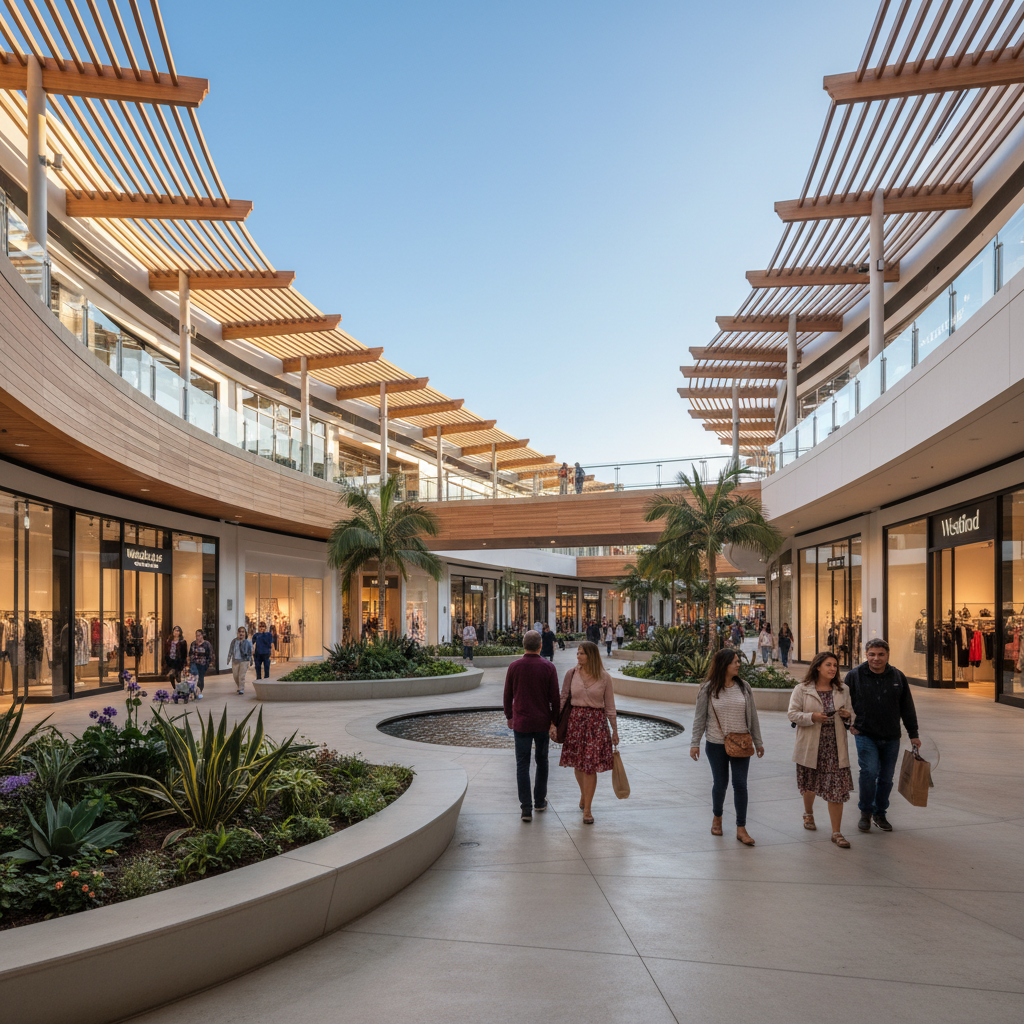
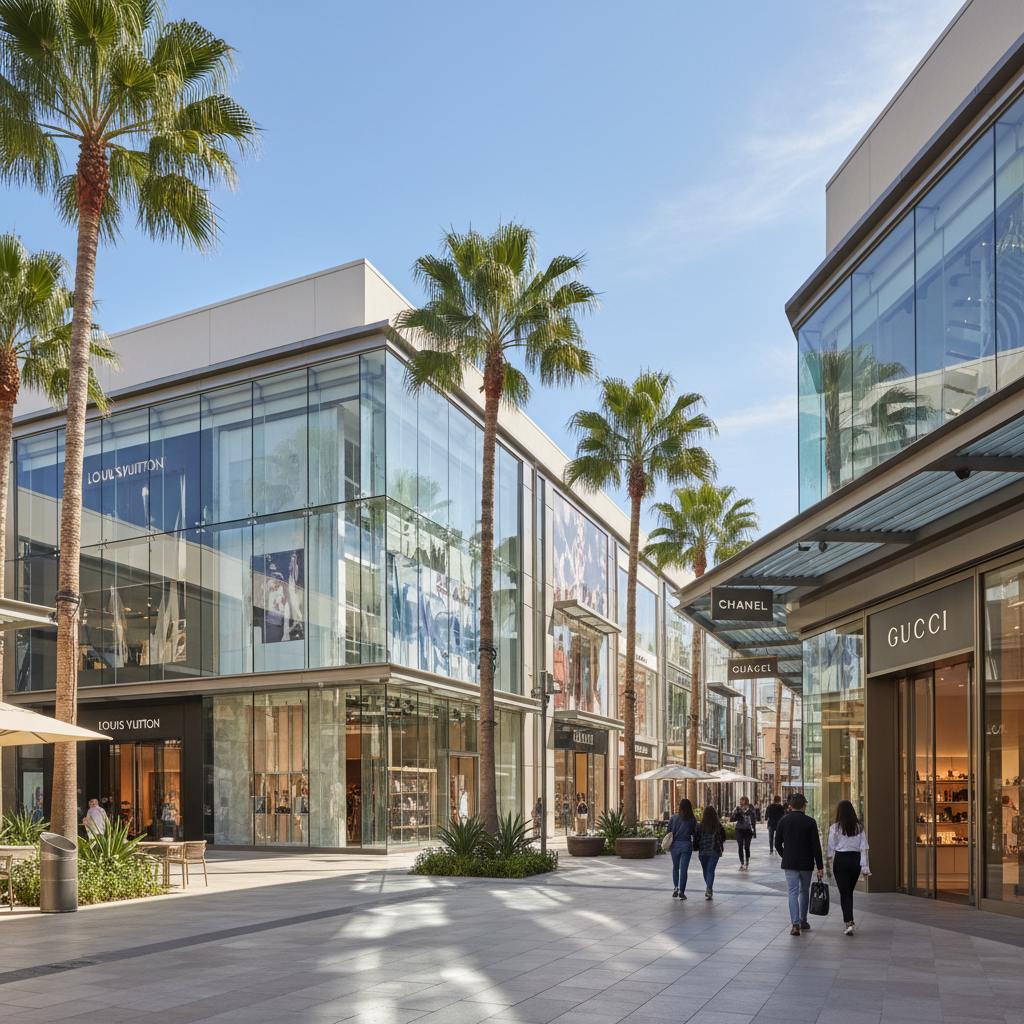
Towner Consulting served as the permit expediting partner for tenant improvement and MEP permitting across multiple retail suites at Westfield Century City — one of Los Angeles' most iconic and high-traffic luxury shopping destinations.
Navigating LADBS requirements in a live mall environment requires precision, speed, and deep jurisdictional knowledge. We delivered all three.
4545 La Jolla Village Dr. San Diego, CA 92122
Towner Consulting managed permit expediting for tenant improvement and MEP permitting at Westfield UTC — one of San Diego's premier upscale open-air shopping destinations in the heart of La Jolla.
Working within the City of San Diego's development services framework, our team kept projects on schedule across multiple retail suites simultaneously.
6600 Topanga Canyon Blvd, Los Angeles, CA 91303
Towner Consulting provided full permit expediting services for tenant improvement and MEP permitting at Westfield Topanga — one of the largest enclosed shopping centers in the United States, located in Canoga Park, Los Angeles.
With complex LADBS requirements and an active high-traffic retail environment, our team delivered seamless coordination across multiple suites without disruption to mall operations.
10200 Constellation Blvd, Los Angeles, CA 90067
Towner Consulting managed permit expediting for tenant improvement and MEP permitting at Century Plaza — a landmark mixed-use development in the heart of Century City, featuring luxury hotels, residences, and premier retail space.
Working within LADBS requirements for a high-profile, active development, our team coordinated multiple permits concurrently to keep the project timeline on track.
Century City, Los Angeles
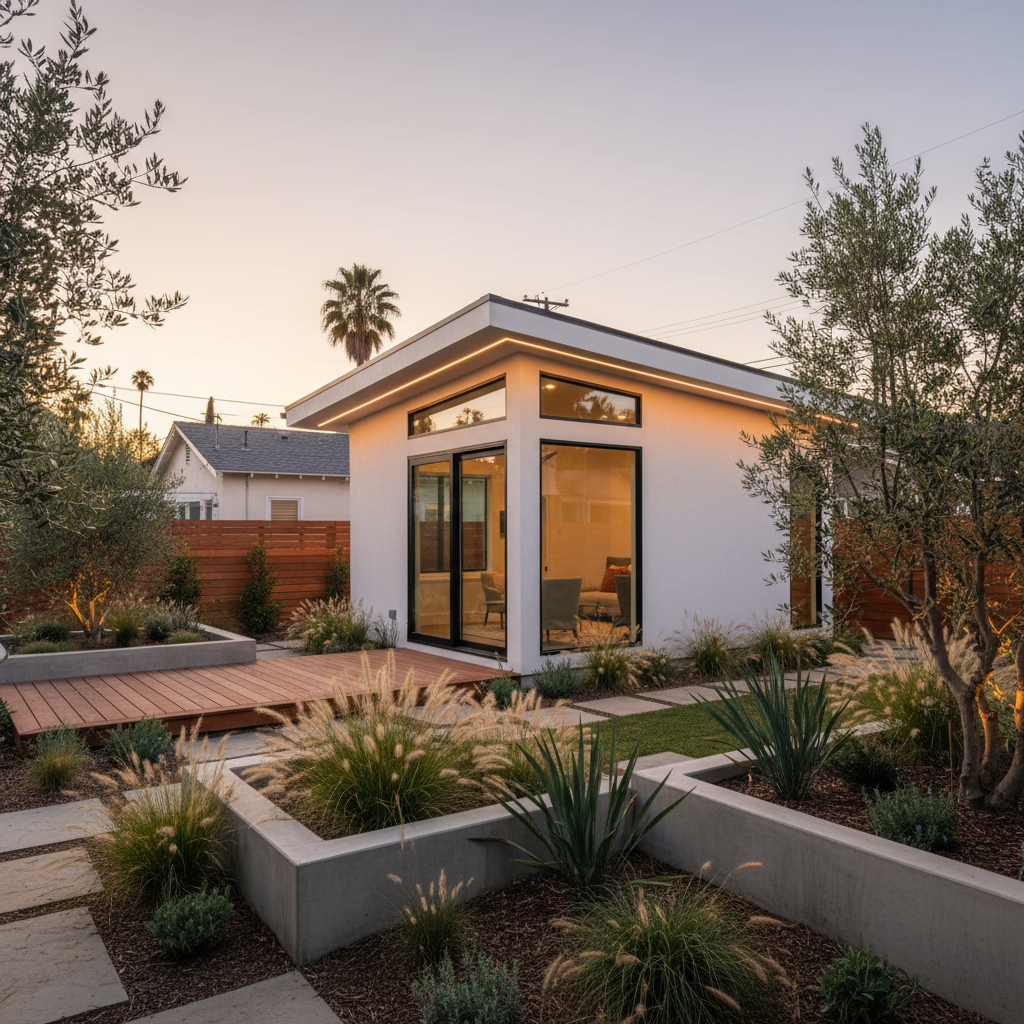
Towner Consulting specializes in permit expediting for Accessory Dwelling Units across California — from garage conversions to brand-new detached builds.
We handle every step of the ADU permitting process, navigating local jurisdiction requirements so your project stays on schedule.
We have established relationships and deep familiarity with building departments across California.
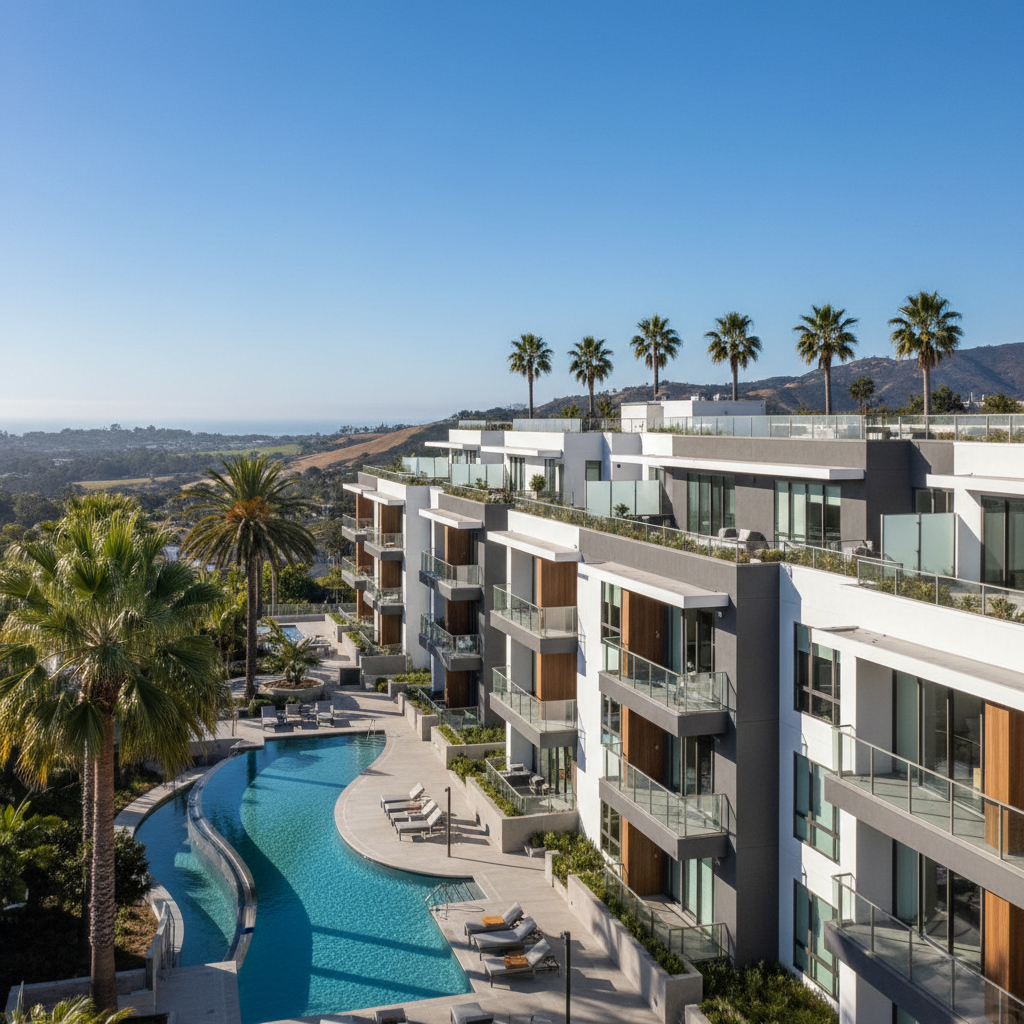
From single-family homes to large-scale commercial developments, we understand the unique permitting demands of every project type.
From major metropolitan high-rises to suburban developments — we've navigated the permit process for it all.
Towner Consulting was built on one principle: your project should never be delayed by the permitting process. We bring deep knowledge of California's regulatory landscape — from major metropolitan building departments to smaller municipalities throughout the state.
Our team works directly with developers, contractors, architects, and property owners to navigate every step of the permitting process. We know the building departments, the plan checkers, and the workflows. We don't just submit paperwork — we advocate for your project.
Whether you're breaking ground on a new development, doing a tenant improvement, or resolving open violations, Towner Consulting gets it done.
Work With UsWe've partnered with leading national brands and developers to deliver seamless permit expediting statewide.
Tell us about your project and we'll be in touch within one business day with a proposal tailored to your needs.
Fill out our Project Intake Questionnaire and we'll follow up within one business day. The form takes about 2 minutes and helps us understand your permit needs upfront.
Start Your Project Request →You'll be asked about permit types, project address, valuation, square footage, and timeline.
Click a question to expand the answer
A permit expediter manages the permit application and approval process on behalf of contractors, architects, and property owners. Towner Consulting navigates building departments, plan check agencies, and inspectors across California to get your permits approved as fast as possible.
We serve clients across the entire state of California — from major metropolitan areas to smaller municipalities. Contact us to confirm we cover your jurisdiction.
LADBS tenant improvement permits typically take 4–12 weeks depending on project complexity. With Towner Consulting managing your plan check, corrections, and agency coordination, we minimize delays and keep your project on schedule.
Yes. We manage ADU permits for detached, attached, JADU, garage conversion, and interior conversion projects across California — handling submittal, plan check, corrections, and MEP trade permits.
Tenant improvement (TI) permits, ADU permits, grading and shoring permits, MEP trade permits (mechanical, electrical, plumbing), AQMD approvals, county health department plan checks, DOT street use permits, racking/FOH/BOH permits, drafting and as-built services, and full project management for complex multi-agency filings.
It depends on the scope. Interior-only work with no change to the ground-floor use typically goes straight to DBI for a building permit. However, if your project involves storefront or facade alterations, exterior modifications, an addition, new construction, or a change of ground-floor use, SF Planning review may be required before DBI will accept your permit application. Towner Consulting will evaluate your scope and confirm whether planning approval is needed.
Article 10 of the San Francisco Planning Code protects individually designated landmark buildings. If your property is an Article 10 landmark and your project involves any exterior alteration, you must obtain a Certificate of Appropriateness (COA) from the Planning Commission before DBI can issue a building permit. The COA process requires a Historic Resource Evaluation (HRE) and a public hearing. Towner Consulting prepares and submits the COA application, coordinates the HRE, and manages the hearing process on your behalf.
Article 11 applies to historic district properties in downtown San Francisco (primarily C-3 zoning districts). Buildings are categorized I through V based on their significance: Category I and II properties require a public hearing for exterior work, while Category III and IV properties receive staff-level review. Category V properties generally don't require review. You can check your building's status using the SF Planning Information Map (PIM) at sfplanninggis.org/pim. If your project involves storefront or facade work on a Category I–IV building, a COA is required. Towner Consulting handles the entire Article 11 review process, including determining your category and preparing the application.
Section 309 authorization is required for projects in C-3 districts that involve new floor area (vertical expansion, mezzanine, or new enclosed space) or a change to the ground-floor commercial use (such as converting office space to retail). If your project triggers Section 309, it must go through Planning Commission review in addition to any COA or building permit process. Towner Consulting identifies whether Section 309 applies to your project and manages the full authorization process.
Use the SF Planning Information Map (PIM) at sfplanninggis.org/pim. Search by address to see if the property is an Article 10 individual landmark (listed by landmark number, e.g. LM154) or an Article 11 historic district property (listed with a Category I–V rating). If the building has no historic designation, Article 10/11 review is not required and you can proceed directly to DBI. Towner Consulting can also verify your building's status as part of our intake process.
DBI will not issue a building permit for exterior work on an Article 10 or Article 11 property without an approved COA from SF Planning. If work proceeds without approval, the city can issue a stop work order, require restoration of altered features, and impose fines. In some cases, unapproved alterations to landmark buildings can trigger enforcement action by the Planning Commission. Towner Consulting ensures all required planning approvals are secured before construction begins.
If your property is within the Coastal Overlay Zone (generally west of Interstate 5 near the shoreline), a Coastal Development Permit (CDP) may be required before the city can issue a building permit. Projects in the Coastal Commission's retained jurisdiction require direct Coastal Commission approval, while most projects in the city's appealable jurisdiction go through San Diego Development Services. Towner Consulting determines whether your project triggers coastal review and manages the CDP application process.
San Diego's Community Plans govern land use, density, and development standards for each of the city's 52 community planning areas. If your project involves new construction, an addition, or a change of use that doesn't conform to the adopted Community Plan, you may need a Community Plan Amendment (CPA) — a discretionary review that goes through the Planning Commission and potentially City Council. Most tenant improvements that stay within the existing building envelope don't trigger a CPA. Towner Consulting evaluates your project against the applicable Community Plan and manages the amendment process if needed.
Yes. For ADU permits in the City of San Diego, you'll need a Storm Water Management Form (DS-560) and a Water Meter Sizing Form (DS-16) submitted with your building permit application. The DS-560 documents how stormwater runoff will be managed during and after construction, and the DS-16 confirms adequate water service for the new unit. Towner Consulting auto-fills both forms as part of our ADU permit process — no extra steps required from you.
Standard tenant improvement permits in San Diego typically take 4–8 weeks for first review, depending on project complexity and current plan check backlog. Projects requiring discretionary approvals (Community Plan Amendments, Coastal Development Permits, or historical review) add 3–6 months or more. Towner Consulting tracks your application through Development Services, manages corrections, and coordinates with reviewers to minimize delays.
If your building is 45 years or older, San Diego's Historical Resources Regulations (Municipal Code Chapter 14, Article 4) may require a historical evaluation before a permit can be issued. Properties listed on the local, state, or national historic registers, or within a designated historic district, require a Site Development Permit for any exterior alteration. Towner Consulting determines whether your project triggers historical review and coordinates the evaluation process with a qualified historian.
A Site Development Permit (SDP) is a discretionary permit required for projects that need additional review beyond a standard building permit. SDPs are triggered by environmentally sensitive lands, steep slopes, historical resources, coastal impacts, or projects in specific overlay zones. The SDP process involves a hearing before a hearing officer or the Planning Commission depending on the project scope. Towner Consulting identifies whether an SDP applies and manages the full application and hearing process.
Yes — unincorporated San Diego County has its own building department separate from the City of San Diego. ADUs in unincorporated areas require a building permit through the County's Planning & Development Services (PDS) office, and may also require a site plan review, fire safety clearance (especially in Very High Fire Hazard Severity Zones), and a septic system evaluation if the property is not on sewer. Short-term rentals in unincorporated areas are subject to the county's STR ordinance. Towner Consulting handles both City of San Diego and unincorporated County permit processes.